
 Homeowners across Bemidji often tell us they feel stuck when it is time to choose siding materials. The mix of heavy winter wind off Lake Bemidji, freeze-thaw cycles, and woodpecker activity in neighborhoods near Bemidji State University creates pressure to pick something durable. Here’s the thing: a clear process makes the decision simple.
The right material depends on your home’s style, your maintenance comfort, and Bemidji’s long, cold season. This guide walks you through that process and leads straight into the steps you can take today.
Key Takeaways
- Bemidji’s climate pressures make material selection a practical decision.
- Home style, maintenance habits, and exposure shape long-term siding performance.
- Accurate cost ranges help set expectations for vinyl, fiber cement, and engineered wood.
- A clear plan makes siding choices easier and more aligned with your home.
Understand How Climate Pressures Shape Material Choices
Cold snaps in Bemidji place real stress on siding, so we focus first on how each material handles moisture and shifting temperatures.
Fiber cement and engineered wood resist swelling from snow melt along Irvine Avenue and other shaded streets where frost lingers longer. Vinyl handles the cold well but can become brittle during deep freezes, especially on north-facing walls in the Nymore area.
Wood looks great on older Craftsman homes near the Lake Boulevard corridor, but needs a strong sealant schedule to prevent moisture intrusion.
During siding installation, your material must match the weather your home actually faces.
Match Material Style to Your Home’s Architecture
Each siding type supports certain house styles, and we look closely at how those shapes and lines sit in Bemidji’s mix of lake cabins, ranch homes, and mid-century builds.
Fiber cement offers clean profiles that pair well with ranch homes in the Northern Township area. Engineered wood gives a warm, natural look that blends with wooded lots along Birchmont Drive.
Vinyl fits well in smaller homes and cabins around Movil Lake because the color variety makes updates simple.
Style should match the character of your home and neighborhood.
Review Maintenance Habits and Long-Term Care
Some materials demand steady upkeep, so we guide you to a choice that fits your routine.
Wood siding needs re-painting or re-staining every few years, which can be tough during long Bemidji winters when proper drying time is limited. Vinyl requires only basic washing to handle the pollen that collects near Paul Bunyan Park.
Fiber cement lasts long with minimal care, but chips must be sealed quickly in colder neighborhoods like Southeast Bemidji, where moisture moves fast.
Maintenance comfort level should drive your selection.
Check Local Codes, HOA Expectations, and Installation Needs
Local building rules matter, especially in areas governed by Bemidji’s permitting office.
Some HOAs near the Greenwood neighborhood prefer specific color ranges or textures to preserve local appeal. Fiber cement often requires additional flashing details that help it pass inspection during the snow season.
Engineered wood and vinyl both install fast but need proper ventilation clearances, especially around roof lines that collect drifting snow.
Materials must meet both code and community standards.
Move Toward a Confident Siding Selection
Gather Real Cost Ranges for Each Material in Bemidji
Price is a major driver, so we estimate typical ranges based on recent projects.
Vinyl siding usually falls in the range of eight to thirteen dollars per square foot in Bemidji neighborhoods near Bemidji Avenue, depending on insulation and trim choices.
Fiber cement tends to run twelve to eighteen dollars per square foot because of specialized labor and heavier boards. Engineered wood often costs between ten and sixteen dollars per square foot, depending on color matching and moisture protection.
Budget, home size, and trim details will guide your cost comfort zone.
Compare Durability Based on Your Lot and Sun Exposure
Durability depends on how your home sits on the land. Homes close to Lake Bemidji often see more moisture, making fiber cement and engineered wood strong choices.
Homes with full southern sun exposure along Division Street may favor vinyl because color fade has become much more controlled by today’s manufacturers. Wood can thrive on shaded lots in the Roosevelt Road area because direct sun is limited.
Exposure patterns help tell you which material lasts longest on your home.
Weigh Insulation and Energy Efficiency Benefits
Siding impacts comfort and energy use during Bemidji’s long heating season.
Insulated vinyl helps reduce drafts that settle into homes with older framing, especially near older blocks west of the Beltrami County Courthouse. Fiber cement pairs well with continuous insulation because the heavier boards hold their shape against wind chill.
Engineered wood often works best with a proper house wrap that manages moisture during the spring thaw.
Insulation layers around your siding help steady indoor temperatures.
Review Color, Trim, and Long-Term Look
Color choice matters because the long winter gray can change how shades appear.
Vinyl offers a wide range of pre-finished tones that hold up well under the reflectivity of fresh snow. Fiber cement and engineered wood both allow customized paints that match lake-style homes along the shoreline.
Wood gives the most natural look but needs recurring staining to stay vibrant.
Long-term appearance depends on the material finish and your willingness to refresh it.
Move Forward With the Right Siding Plan
Many Bemidji homeowners feel stuck because the options seem overwhelming. A clear plan brings confidence and protects your time and budget.
At Back 40 Roofing, we listen to your goals, walk your property, and help you match real-world conditions to the right siding material. Our guidance fits the weather, the look of your neighborhood, and your long-term comfort. Contact us to schedule a visit, get a clear estimate, and choose siding that fits your home’s future.
Frequently Asked Questions
How can I tell if vinyl siding will stay stable during Bemidji’s cold snaps?
Vinyl performs well when installed with proper expansion gaps, and our crews account for temperature swings that happen near Lake Bemidji and the high wind corridors around Division Street to keep panels stable.
How often does wood siding need maintenance in Bemidji’s climate?
Wood usually needs re-staining every three to five years, and our team adjusts timing based on shade, moisture levels, and the freeze-thaw cycles common near wooded lots along Birchmont Drive.
Can fiber cement handle moisture from lake proximity?
Fiber cement resists swelling when installed with proper flashing and clear ground clearance, and our crews follow manufacturer guidelines that help it perform well near high moisture areas around the Lake Boulevard corridor.
What siding material gives the best energy performance in older Bemidji homes?
Insulated vinyl and properly wrapped fiber cement both help reduce heat loss in older framing, and our approach focuses on sealing drafts common in mid-century homes around Nymore.
 If you’re planning a roof replacement in Bemidji, MN, one of the first questions that comes up is whether or not you should stay home during the project.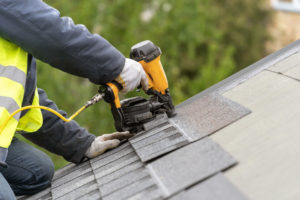
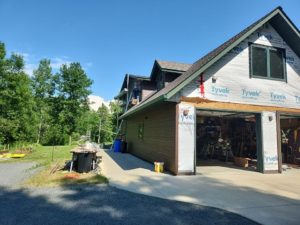 Installing new siding is one of the best ways to boost your home’s curb appeal and protect it from Bemidji’s extreme climate. From frigid winters along Lake Bemidji to spring storms blowing through neighborhoods like Nymore and Northern Township, quality siding is your first line of defense.
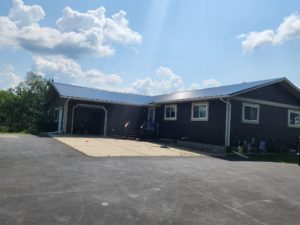 In Bemidji, where heavy snow, strong winds, and icy conditions are part of life for much of the year, roofing isn’t just about looks—it’s about long-term durability and performance. We’ve seen a big shift in recent years.

