
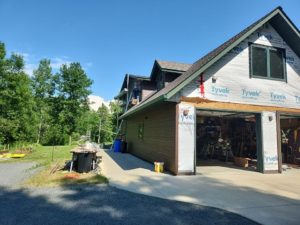
 Installing new siding is one of the best ways to boost your home’s curb appeal and protect it from Bemidji’s extreme climate. From frigid winters along Lake Bemidji to spring storms blowing through neighborhoods like Nymore and Northern Township, quality siding is your first line of defense.
But before the crew shows up with materials in tow, your home needs to be ready for the work ahead. At Back 40 Roofing, we’ve helped plenty of Bemidji homeowners get siding-ready the right way—avoiding delays, damage, and extra costs.
Here are the nine key steps we recommend for an efficient siding installation process.
Key Takeaways
- A good siding project in Bemidji starts with trimming plants, clearing access, and moving items away from walls.
- Safe work means removing wall decorations, shutting off utilities, and adjusting outdoor security equipment before the crew arrives.
- Smooth progress comes from planning for pets, fixing hidden damage, and checking all neighborhood or city rules first.
- Back 40 Roofing helps Bemidji homeowners get ready and install siding built to handle the local weather year-round.
Step 1. Trim Back Landscaping and Remove Obstacles
Overgrown shrubs or trees, especially in older neighborhoods like Lincoln or near Paul Bunyan Park, can get in the way during siding installation. Before our team arrives, trim back any bushes, tree branches, or vines close to your exterior walls. Clear out lawn decorations, firewood stacks, or anything leaning against the house.
We need a clear 4-6 feet of working space around your home to move materials and operate safely.
Step 2. Protect Outdoor Items From Construction Debris
Even with careful craftsmanship, siding work produces dust, nails, and bits of old material.
If you have a garden bed off Irvine Avenue or patio furniture near your walls, cover them with durable tarps or move them temporarily. This helps avoid damage and saves you cleanup time later, especially during windy Bemidji afternoons.
Step 3. Clear Your Driveway and Nearby Access Points
Siding crews bring trailers, dumpsters, and large stacks of materials—often delivered early in the morning by local suppliers from places like Lueken’s Village Foods hardware department. Make sure your driveway is free of vehicles and your side gates are unlocked so crews can get in and out easily.
If you’re in a cul-de-sac near Ridgeway Avenue, consider letting neighbors know ahead of time about possible parking disruptions.
Step 4. Remove Wall Hangings and Secure Shelves
Siding work involves a lot of hammering and vibration, especially in Bemidji’s older homes with original clapboard or wood lap siding. Remove anything hanging on the interior walls, especially on exterior-facing sides—think picture frames, mirrors, or mounted shelves.
This prevents accidental falls or cracked glass while the crew is working outside.
Step 5. Turn Off External Utilities and Secure Service Connections
Make sure to disconnect or shut off any outdoor water spigots, electrical outlets, and gas lines that might interfere with the job.
In areas like Bemidji’s Northeast neighborhood, where homes often have exterior-mounted propane tanks or generators, it’s important to notify your utility provider or technician if anything needs to be temporarily relocated or secured.
Step 6. Notify Your Security System Provider if Needed
If your security cameras or motion sensors are mounted on your home’s exterior, especially around entry points in neighborhoods like Lavinia or Movil Lake, you may want to notify your monitoring company.
Equipment might need to be removed or repositioned during the install, and sudden movement or noise could trigger alerts unnecessarily. You can either disable motion zones temporarily or arrange for a technician to assist.
Step 7. Plan for Pets and Children During Work Hours
Siding installation involves loud noise, sharp tools, and open access to your yard or entryways. If you live near Bemidji Middle School or have curious pets in fenced yards, it’s best to keep them inside or at a friend’s place during the day.
For families near the BSU campus area, planning a day trip or visit to Diamond Point Park can keep things less stressful during construction.
Step 8. Inspect and Repair Underlying Issues Beforehand
Before we wrap your home in new siding, we’ll do a walk-around to check for problems like rotting sheathing or damaged trim boards.
If you already know about moisture issues—common near Lake Irving due to poor drainage—or suspect insect damage, getting those fixed ahead of time speeds up the project.
Addressing these early helps avoid mid-job surprises and added costs.
Step 9. Confirm Your HOA or Permit Requirements Are in Order
Some Bemidji developments, particularly newer ones like Birchmont or south of Anne Street, have HOA rules regarding siding materials and colors. Check with your homeowners’ association before installation day to make sure you’re approved.
Also, make sure all necessary permits are pulled with the City of Bemidji Building Department. We’ll help with permits if needed, but it’s always good to verify.
Make Your Siding Installation Easy and Stress-Free
Get peace of mind before the first nail is driven.
If you’re planning new siding, now’s the perfect time to schedule a prep consultation or request a free estimate. At Back 40 Roofing, we provide professional siding installation that stands up to Bemidji’s wind, snow, and seasons—done right the first time.
Give us a call today to get your project moving, or request a free quote online.
Frequently Asked Questions
How long does siding installation usually take in Bemidji?
Most siding projects in Bemidji take seven to fourteen days, depending on home size and weather. At Back 40 Roofing, we schedule carefully to finish efficiently while keeping quality high from start to finish.
Can siding installation be done during Bemidji’s winter months?
Winter installation is possible but often slower due to extreme cold and snow. Back 40 Roofing recommends spring through early fall for better results and fewer delays caused by Bemidji’s unpredictable winter weather.
What siding materials work best for Bemidji’s climate?
Fiber cement, insulated vinyl, and engineered wood perform well in Bemidji’s temperature swings. Back 40 Roofing helps homeowners choose siding that balances durability, appearance, and energy efficiency for long-term home protection.
Will new siding improve my home’s energy efficiency?
Yes, quality siding with proper insulation can cut heating costs during Bemidji winters. Back 40 Roofing ensures tight installation that keeps your home comfortable year-round while lowering energy bills over time.


